
Step Back in Time at Seongeup Folk Village in Seogwipo
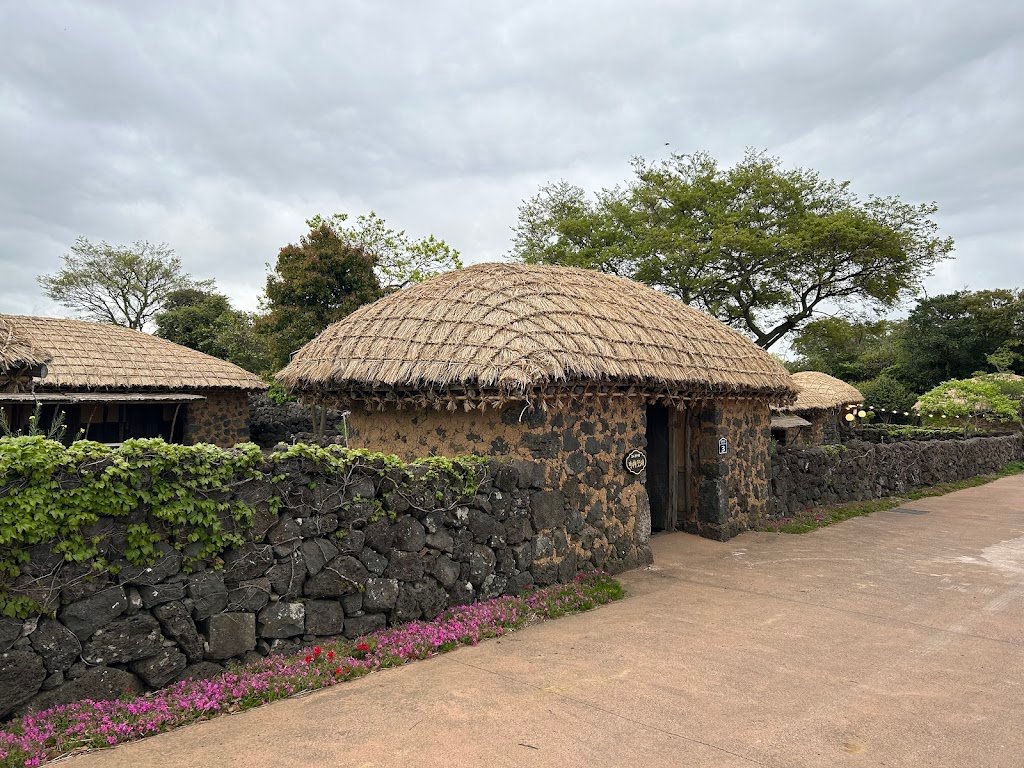
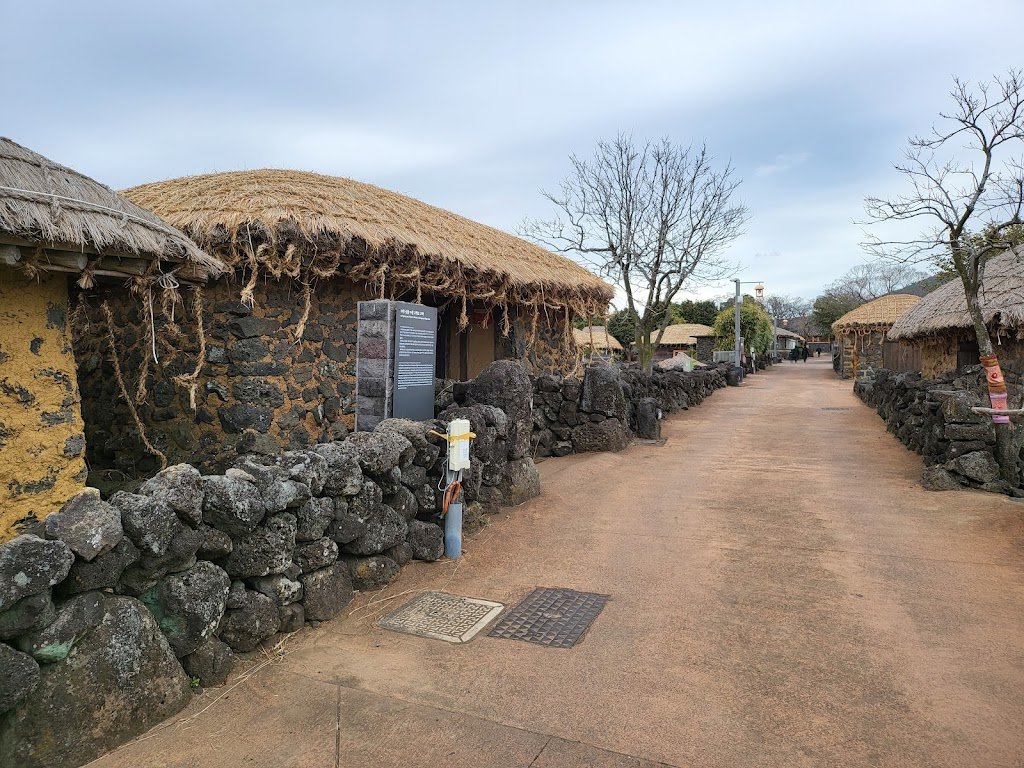
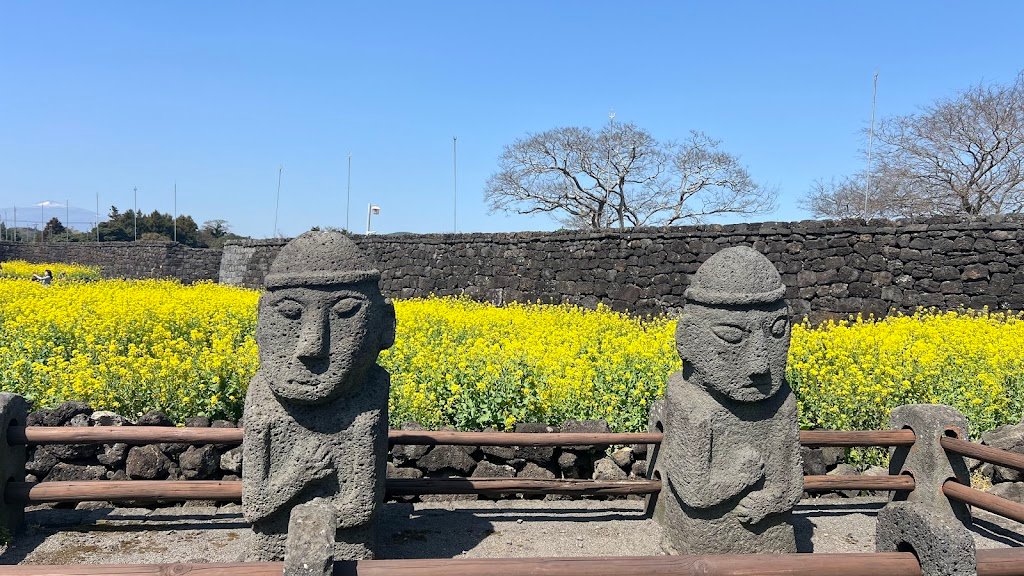
Discover the rich traditions of Jeju Island at Seongeup Folk Village, a well-preserved historic village located in Seogwipo. This living museum reveals the way of life during the Joseon Dynasty, with around 110 traditional houses still standing amidst narrow, fortress-like alleyways called olle. Visitors enjoy wandering through authentic streets where traditional crafts, foods, and cultural relics are available alongside modern conveniences like self-checkout shops. The village also offers hanbok rentals for those wanting to fully immerse themselves in the historical atmosphere. Seasonal events, such as traditional marches in period attire, add to the cultural richness of the visit. Surrounded by scenic canola flower fields perfect for photos, Seongeup Folk Village provides a genuine and captivating glimpse into Jeju’s past that appeals to history buffs and curious travelers alike.
✨ AI Review Highlights
Authentic Cultural Experience
Visitors praised the Seongeup Folk Village for offering an authentic step back in time to appreciate the village life and hardships. The village showcases traditional houses, local crafts, and even allows day rentals of authentic garb, providing a glimpse into Jeju's historical way of life.
Cultural Preservation and Education
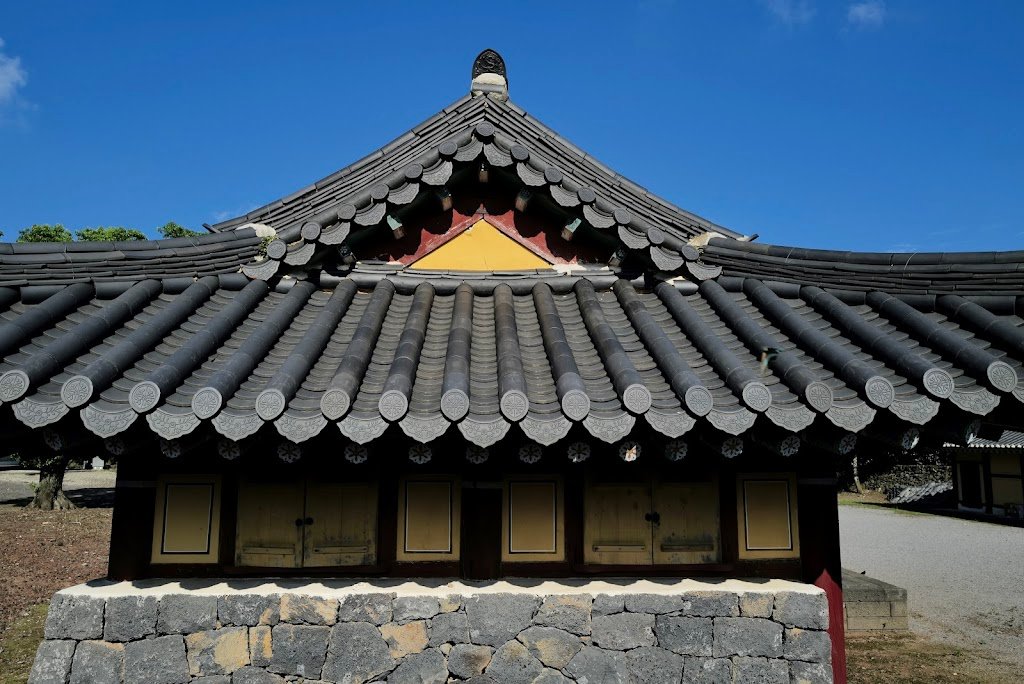
The Seongeup Folk Village is commended for its well-preserved traditional houses dating back to the Joseon Dynasty, offering insights into the local administrative town's history. Tourists can explore the village's fortress-like layout and narrow alleyways, enhancing the educational experience.
Convenient Amenities and Attractions
The village offers multiple shops selling local products like honey and facial creams, along with the option to rent traditional hanbok attire. Visitors also appreciated the nearby Canola flower fields, providing picturesque moments and adding to the overall charm of the village.
Limited Signage and Time Consideration
While the Seongeup Folk Village is a nice stop for tourists interested in history, some reviewers noted that it may not be a priority if short on time. The presence of English signage was appreciated, but the village's overall significance may vary based on individual schedules.
Categories
Classifieds Categories
Features
Regions
Video
Location
Points of Interest
Seong-eup Dongmuntong
Seong-eup Dongmuntong
Loading points of interest...
Loading points of interest...
Loading points of interest...
Loading points of interest...
Loading points of interest...
 Add Review
 Read More Reviews
Add Review
जवाफ लेख्नुहोस्
टिप्पणी गर्न तपाईँ लगइन हुनुपर्छ।

Nabella S
in the last weekThis place keeps the charm of Jeju’s old traditional homes. Feels quiet and authentic since some people still live there, so we need to keep our voice low while walking, no shouting please. If you have watched k-drama “When Life Gives You Tangerines”, you can really feel a similar vibes here
William
in the last weekA great place to learn the ancient culture of not just Jeju Island, but also Korea. King Wwangbali (village chief/master) is a very enthusiastic (and funny) elder that spoke passionately about haenyo, village culture, origin of black pork (pig), and also benefits of native tea as well as uses of horse oil cream which are local produces that can only be found in Jeju. The walled-up village is free entry, so it is good for any returning tourist that is keen to visit at their own leisure without a tour group.
SH Chen
in the last weekJames Yeh
in the last week큐피
in the last weekIt's wide, but the only things to see seem to be the village road and houses. Over the fence, there's a tangerine tree? It's pretty~ The camellia flowers in full bloom on the camellia tree are gorgeous in color, but they also show an elegant side, so I stop and take a picture.