
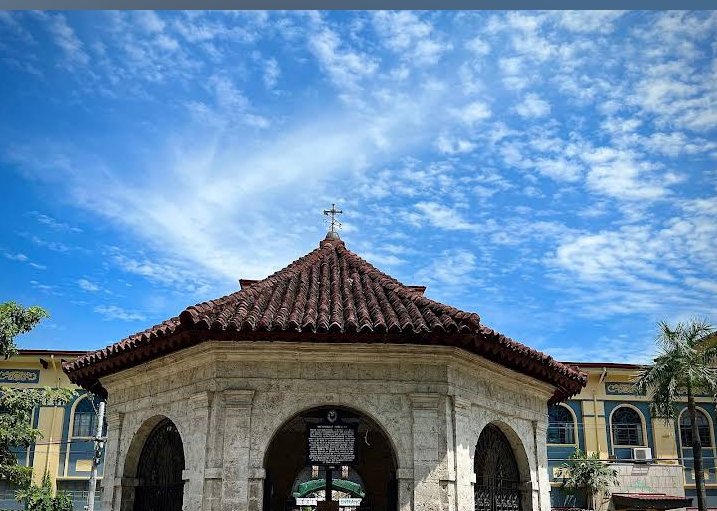


Step into History at Magellan’s Cross in Cebu City
Magellan’s Cross stands as a profound symbol of faith and history in the heart of Cebu City. This iconic landmark, housed within a charming octagonal pavilion built in 1834, commemorates the arrival of Portuguese explorer Ferdinand Magellan in 1521 and the introduction of Christianity to the Philippines. Visitors are drawn not only to its historical significance but also to the beautifully preserved original cross safeguarded inside a tindalo wood casing. The site offers a solemn, contemplative atmosphere enriched by cultural heritage, making it a must-visit for those eager to connect with Cebu’s spiritual roots and colonial past. Nearby, the Basilica del Santo Niño complements the experience, inviting deeper exploration of the region’s rich traditions.
✨ AI Review Highlights
Historical Landmark Experience
Visitors appreciate the historical significance of Magellan's Cross, symbolizing the arrival of Christianity in the Philippines in 1521.
Unique Cultural Symbol
The cross holds memories and cultural importance for many visitors, adding to the experience of the visit.
Engaging Historical Visit
Tourists find the experience of seeing the cross engaging and memorable, enriching their understanding of local history.
Uncomfortable Begging Situation
Some visitors noted discomfort due to the presence of women with children begging for money, impacting the overall experience negatively.
Categories
Classifieds Categories
Features
Regions
Video
Location
Points of Interest
Librando Transit Terminal
South Bus Terminal
South Bus Terminal
Loading points of interest...
Loading points of interest...
Loading points of interest...
Loading points of interest...
Loading points of interest...
FAQ
Is it a religious site or just a tourist attraction?
It’s both. It’s a historical symbol and a religious shrine. Many pilgrims come to pray, light candles, or leave coins. Also, there’s an indulgence granted: devotees who pray certain prayers in front of the cross can receive spiritual benefits.
When can I visit?
The pavilion is generally open daily; several sources note visiting hours from 8:00 AM to 6:00 PM
Does it cost to enter?
No formal entrance fee — access is free. However, donations are welcome to help maintain the site
How do I get there?
There are a few options: Jeepney: Several routes pass by downtown Cebu (e.g., route codes 10M or 12I) that can drop you near the Basilica or Magellan’s Cross. Taxi / Ride-hailing: Easy to get there, especially from major tourist zones. Walking: If you're already visiting nearby sites like the Basilica or Fort San Pedro, Magellan’s Cross is walkable
Is photography allowed?
Yes, visitors can take photos. But as it's a religious and historic site, it's best to be respectful. Also, avoid using flash on the murals to protect the artwork.
Leave a Reply
You must be logged in to post a comment.