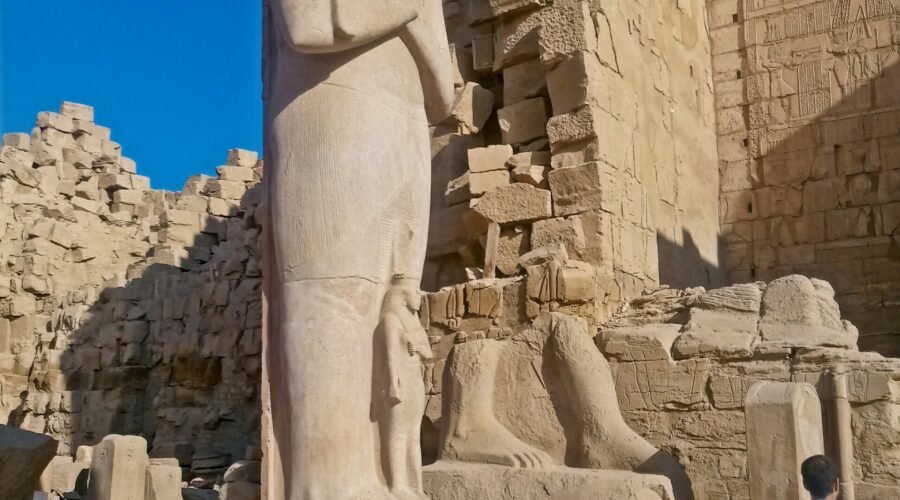
Part IV: Dominion – Chapter 8: Memory and Myth
Systems survive through memory. Civilizations survive through myth. When memory fades, law becomes arbitrary. When myth fades, loyalty dissolves. A sovereign system without record decays into imitation; its heirs repeat form without essence. Dominion is not only about building order but preserving meaning — the logic that explains why the order exists.
1. The Function of Memory
Memory stores the code. It keeps the rules clear, the lineage traceable, and the lessons intact. A man who fails to document his law forces his successors to rebuild from fragments. Every decree, ritual, and correction must be recorded. The goal is not nostalgia but precision. Without written law, the system becomes oral folklore — and every retelling distorts it further.
2. The Power of Myth
Myth is how logic survives emotion. It gives structure to belief when words no longer convince. A creed, a story, or a symbol can carry the system across centuries because people remember image longer than instruction. You write myth not for accuracy but transmission. It distills your system’s essence into a form the next generation feels before it understands.
3. Distortion
All systems are eventually rewritten by the weak. Each generation softens what it cannot match. Laws turn into values; discipline turns into “culture.” Within three generations, most orders become their own opposites. This is why memory must be guarded as strictly as law. Archive everything — the original language, the corrections, the punishments. Truth must be provable, not retold.
4. Ritual
Ritual fixes memory into the body. It turns law into movement: the way a man greets, eats, or begins the day. Repetition becomes identity. A culture that abandons ritual soon forgets hierarchy. Ritual is not superstition; it is continuity in physical form. It reminds the body what the mind forgets.
5. Transmission
To transmit law across time, reduce it to principle: This is how we work. This is how we treat each other. This is how we restore order when it breaks. Write it. Speak it. Demonstrate it. The man who can explain his system in one page ensures it survives. Transmission without dilution requires both record and myth — the mind remembers one, the heart the other.
6. Immortality
Every empire dies in body before it dies in memory. But memory alone is not enough — only myth keeps people loyal after reason ends. When successors quote your law, you are remembered. When they defend it as faith, you have become myth. At that point, your dominion no longer depends on your life. It exists as code in others.
Memory keeps accuracy. Myth keeps loyalty. Together, they make systems eternal.
And that’s chapter 8.