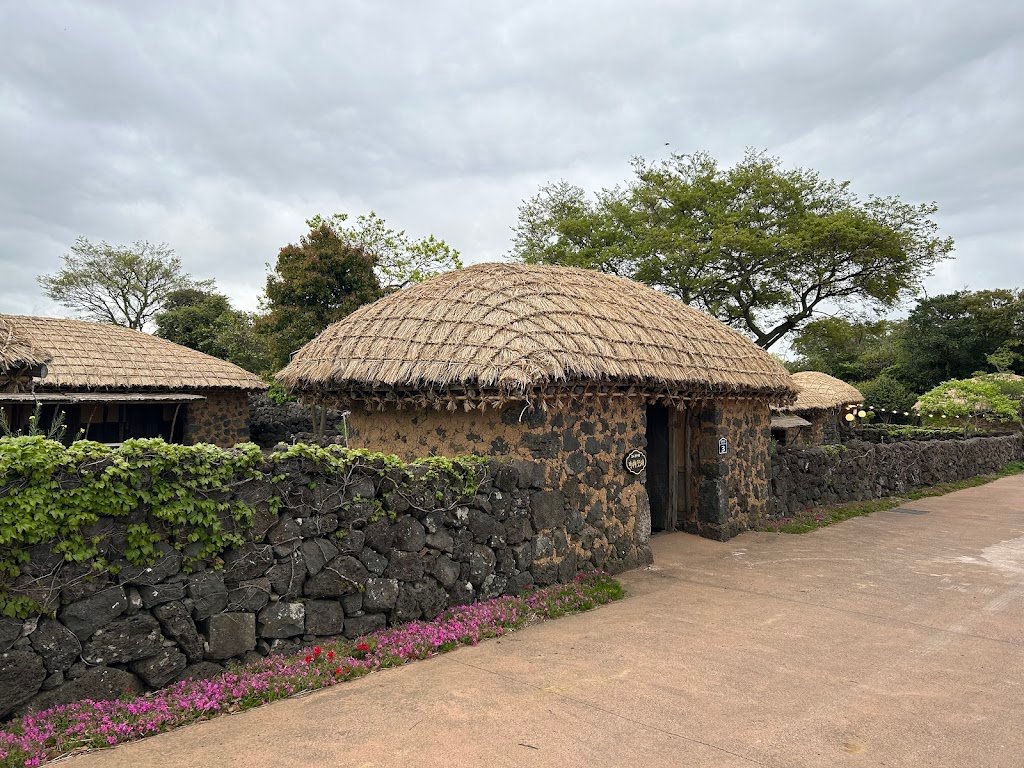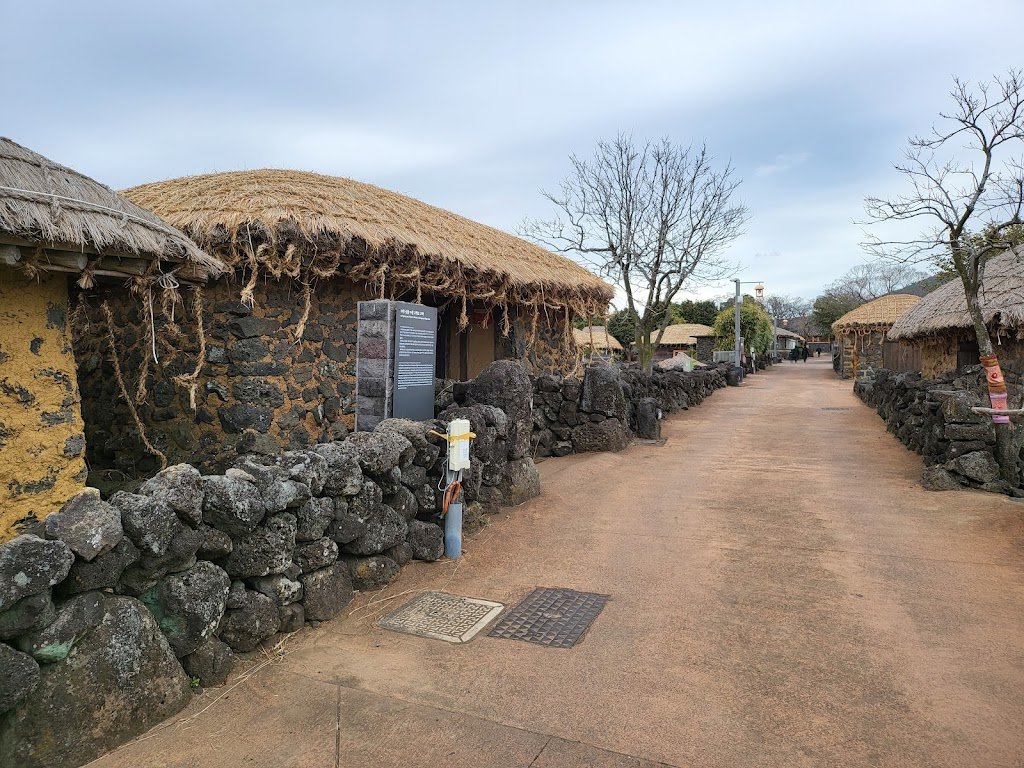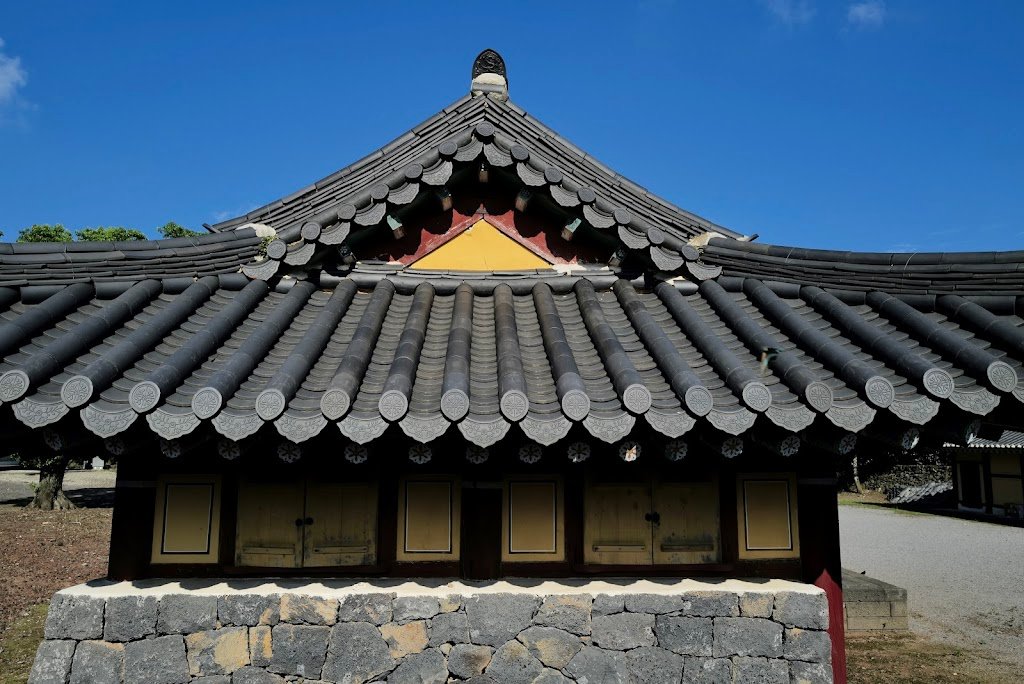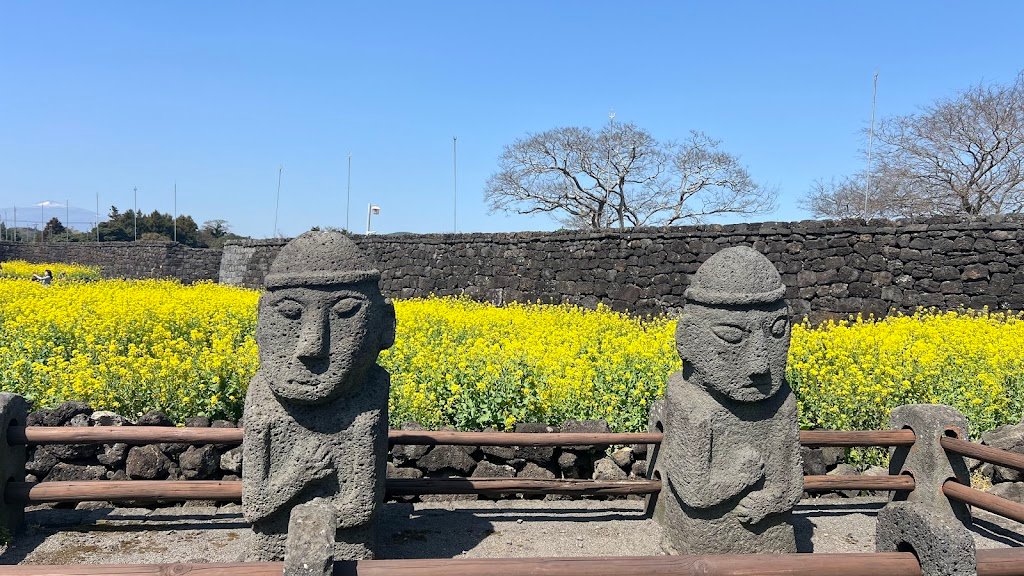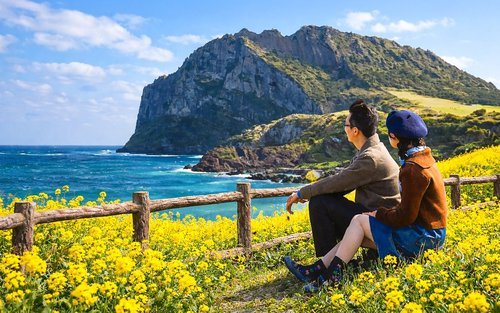
Seongeup Folk Village in Seogwipo is more than just a destination; it is a preserved heartbeat of Jeju’s rich heritage. This living museum offers a rare glimpse into the Joseon Dynasty, featuring over 100 traditional thatched-roof houses nestled along winding, fortress-like olle alleyways. As you wander these authentic streets, you’ll find a fascinating blend of old and new—from traditional crafts and local delicacies to the curious convenience of modern self-checkout shops. To truly inhabit the past, visitors can don traditional hanbok rentals, perfect for posing against the vibrant seasonal canola fields or during one of the village’s spirited period-costume marches. Whether you are a dedicated history buff or a curious traveler, Seongeup provides a captivating, tactile connection to the spirit of ancient Jeju.
✨ AI Review Highlights
Authentic Cultural Experience
Visitors praised the Seongeup Folk Village for offering an authentic step back in time to appreciate the village life and hardships. The village showcases traditional houses, local crafts, and even allows day rentals of authentic garb, providing a glimpse into Jeju's historical way of life.
Cultural Preservation and Education
The Seongeup Folk Village is commended for its well-preserved traditional houses dating back to the Joseon Dynasty, offering insights into the local administrative town's history. Tourists can explore the village's fortress-like layout and narrow alleyways, enhancing the educational experience.
Convenient Amenities and Attractions
The village offers multiple shops selling local products like honey and facial creams, along with the option to rent traditional hanbok attire. Visitors also appreciated the nearby Canola flower fields, providing picturesque moments and adding to the overall charm of the village.
Limited Signage and Time Consideration
While the Seongeup Folk Village is a nice stop for tourists interested in history, some reviewers noted that it may not be a priority if short on time. The presence of English signage was appreciated, but the village's overall significance may vary based on individual schedules.
Categories
Classifieds Categories
Features
Regions
Video
Location
FAQ
Is there an entrance fee, and what are the opening hours?
Admission to Seongeup Folk Village is completely free for all visitors, and the public parking lot on-site is also free. The village officially operates daily from 10:00 AM to 5:00 PM. Because it is an authentic residential area, it is highly recommended to complete your visit before sunset as there is minimal street lighting and it becomes very difficult to navigate the paths after dark.
How does Seongeup Folk Village differ from the Jeju Folk Village?
The most critical difference is authenticity: Seongeup Folk Village is a real, living neighborhood where locals actually reside, cook, and go about their daily lives inside centuries-old thatched volcanic-stone homes. Because it is a preserved community rather than a commercial museum, admission is free. In contrast, the Jeju Folk Village (located near Pyoseon Beach) is a paid, recreated open-air museum specifically designed for tourists with structured cultural performances and staged exhibits.
What are the rules regarding visitor privacy and exploring the houses?
Because Seongeup Folk Village is an active residential zone, visitors are strictly required to respect the privacy of the locals. You are free to wander the wide, paved lanes to look at the stone walls, ancient trees, and dol hareubang (stone grandfather) statues, but you should never enter a home or gated area that is roped off or marked as private. If you want a deeper look inside, look for the designated open merchant houses, sign up for the free 40-minute cultural guide tour at the main entrance, or visit the small mini-zoo areas that are explicitly open to the public.
Only guests who have booked can leave a review.